

OTHER WEATHER PERFORMANCE
Do Metal Roofs Attract Lightning?
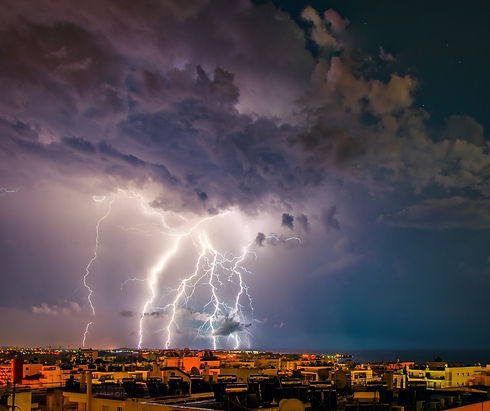
One of the most common myths about metal roofing is that it attracts lightning. In reality, metal roofing does not increase the risk of lightning strikes. Lightning is influenced by a building’s location, height, size, and surrounding topography—not by whether the roof is made of metal.
The key to lightning safety is a properly designed lightning protection system. Metal siding or thin roofing panels alone cannot safely handle a strike; instead, protective systems like air terminals (lightning rods), conductor leads, and grounding networks are essential. Typically made of copper or aluminum, these devices intercept strikes and safely redirect electrical current into the ground, preventing structural damage. To avoid corrosion, it’s important to match roofing and terminal materials (e.g., copper terminals with copper or stainless steel roofs).
When installed correctly, metal roofing offers a major safety advantage: it is noncombustible, meaning it will not ignite if struck by lightning. This makes it safer than materials like wood or asphalt shingles. Combined with a professional lightning protection system built to NFPA 780 standards, a metal roof provides strong, reliable defense against both fire and structural damage. In short: metal roofs don’t attract lightning, but they do perform better during lightning events—especially when paired with the right protection system.

Are Metal Roofs Good For Beach Homes?
Coastal homes face some of the harshest conditions imaginable—salt air, high humidity, tropical storms, and constant exposure to wind and water. Traditional roofing materials like asphalt or wood quickly break down in these environments, leading to costly replacements and frequent maintenance. Metal roofing, by contrast, is uniquely suited to thrive in marine climates, offering decades of reliable protection.
Metal roofing materials such as aluminum, copper, and zinc are naturally resistant to corrosion, making them ideal for areas where salt spray and sea air wreak havoc on conventional roofs. Unlike steel or asphalt, which can deteriorate rapidly near the ocean, these metals maintain their integrity for a lifetime of use with minimal upkeep. Advanced finishes and protective coatings further extend performance, ensuring that even darker colors resist chalking, fading, and pitting from salt exposure.
Marine regions are no stranger to high winds and extreme weather. Metal roofing has been tested and proven to withstand hurricane-force winds, far outperforming shingles and tiles that often rip away during storms. When paired with engineered systems and proper installation, metal roofs can achieve uplift resistance ratings that meet or exceed FEMA and Miami-Dade hurricane standards, offering homeowners peace of mind in storm-prone areas.
Beyond durability, metal roofing contributes to energy savings in hot, humid climates. Reflective coatings help reduce cooling costs by deflecting the sun’s infrared rays, while above-sheathing ventilation options allow roofs to “breathe,” reducing trapped heat and moisture. And when the system eventually reaches the end of its service life (often 40–70 years), metal roofing is 100% recyclable, unlike asphalt shingles that crowd landfills.
Proven Protection Against Heavy Rainfall
When it comes to keeping homes dry and protected, metal roofing is one of the most effective roofing systems available. Unlike traditional materials such as asphalt shingles, which can absorb water or degrade over time, metal roofs are engineered to shed rain quickly and efficiently, making them an ideal choice for regions with frequent or heavy rainfall.
The smooth, interlocking panels of metal roofing are designed to channel rainwater off the roof surface quickly, minimizing pooling and reducing the risk of leaks. Standing seam systems in particular create tight, vertical seams that eliminate many of the weak points where water might penetrate. Properly installed, metal roofing provides one of the most watertight barriers available, outperforming asphalt shingles that can warp, crack, or lose granules under constant exposure to rain.
Constant rain and moisture can lead to hidden damage in many roofing systems. Asphalt, wood, and other porous materials often trap water, creating the perfect environment for mold, mildew, and rot. Metal roofing is non-porous and highly water-resistant, meaning it won’t absorb moisture. With proper ventilation beneath the roof system, condensation is minimized, keeping both the roof and the structure below it healthier for decades. In heavy downpours or storm conditions, roofing materials are tested to their limits. Metal roofing offers superior resistance to driving rain and wind-driven water, which can often seep under traditional shingles or tiles. Many metal roofing systems are tested to meet or exceed ASTM standards for water penetration resistance, giving homeowners confidence that their roof is built to last—even in the harshest storms.
Modern accessories further enhance how metal roofing handles rain. Gutters, downspouts, and custom flashing integrate seamlessly with metal systems to move water safely away from the structure. For steep-slope roofs, advanced snow and rain management tools like snow guards and water diverters can be clipped onto standing seam panels without puncturing the roof—preserving water resistance while managing runoff safely.


Metal Roofing And Noise: Separating Myth From Reality
One of the most common misconceptions about metal roofing is that it’s loud during rain or hailstorms. While this may have been true decades ago with thin, uninsulated tin roofs on barns or sheds, today’s modern residential metal roofing systems are engineered to be quiet, durable, and comfortable—often just as quiet, or quieter, than asphalt shingles.
Modern metal roofs are installed with solid roof decking (such as plywood or OSB) and an underlayment system, both of which act as sound barriers. This layered installation drastically reduces noise, absorbing sound energy before it ever reaches the inside of the home. With proper insulation in the attic, most homeowners report that metal roofs are no noisier than any other roofing material.
Studies and field tests have shown that metal roofing noise levels inside the home are comparable to asphalt shingles—and in some cases, even quieter. Asphalt shingles can transmit impact sounds when granules loosen or when wind rattles loosened shingles. By contrast, a properly installed metal roof with fastened panels and underlayment prevents rattling and minimizes resonance. The amount of noise you hear from any roof—metal or not—largely depends on attic insulation, ventilation, and roof structure. Homes with adequate attic insulation experience very little sound transmission, even during heavy storms. Standing seam metal roofs, with their concealed fasteners and solid panel systems, are particularly effective at dampening exterior noise.
Today’s metal roofing manufacturers also offer accessories that can help further reduce vibration and sound transmission. For example, specialized underlayments with acoustic properties or high-performance insulation systems provide an additional layer of sound absorption while improving overall energy efficiency.
Earthquake-Resistant Roofing: Why Metal Is The Top Choice In Seismic Zones
In regions where earthquakes are a serious concern, metal roofing has emerged as one of the safest and most reliable choices for protecting homes and buildings. Its lightweight construction plays a critical role in seismic performance—compared to heavier materials like concrete or clay tiles, metal significantly reduces the inertial force a building experiences during ground shaking. This lower mass places less stress on the structure, decreasing the likelihood of collapse or severe structural damage during an earthquake.
Beyond being lightweight, metal roofing is also inherently flexible. Unlike brittle materials that may crack or shatter under pressure, metal panels are designed to bend and move with the building as the ground shifts. This flexibility allows the roof system to absorb and distribute seismic energy more effectively, making it far less prone to failure during seismic events.
Additionally, metal roofs are exceptionally strong when installed correctly. They can withstand substantial lateral forces and remain firmly secured to the building’s frame, even during intense shaking. This strength, combined with their low weight and flexibility, makes metal roofs much less likely to crack, detach, or cause interior damage in the aftermath of an earthquake.
To maximize a metal roof’s seismic performance, proper installation is essential. Using appropriate fasteners and ensuring a secure connection to the building’s structure helps the system stay intact when it matters most. Roof design also plays a role—choosing the right type of metal panel system and attachment method based on local seismic codes can further enhance earthquake resistance. Ultimately, metal roofing offers more than just durability and aesthetic appeal—it delivers one of the most resilient, safe, and smart roofing solutions for those living in earthquake-prone areas.
